Top Industries That Use High Resistance Meters for Safety Testing
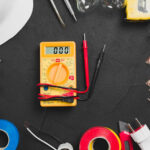
In the modern industrial world, where safety is of primary importance, testing electrical systems is a necessity. The high-resistance meter is one of the essential tools used in various industrial fields. This is a device that is specifically used for testing insulation and leakage.
With the continued development of automated and advanced electrical technologies in various industries, the room for error is getting smaller and smaller. A small error in insulation can cause a company to experience a great loss in terms of downtime. Testing is no longer just a necessity but a strategic necessity.
Why Insulation Resistance Testing Matters
It is natural for electrical systems to deteriorate over time, owing to various factors such as environmental conditions and equipment aging. In addition, insulation resistance testing helps prevent short circuits, equipment damage, and fire hazards, among others.
Insulation resistance testing is critical in ensuring:
- Early detection of electrical failure
- Compliance with safety standards
- Increased equipment life
- Preventing unexpected equipment failure
Regular testing ensures that systems are running within safe limits, thus greatly reducing risks.
Apart from the safety benefits, insulation resistance tests may also be of great importance when it comes to energy efficiency. Inefficient insulation may cause leakage currents. These currents may not only cause inefficiency when it comes to energy usage but may also affect the performance of the electrical systems.
Key Industries That Depend on Electrical Safety Testing
Manufacturing and Heavy Engineering
Manufacturing units use complex machinery and high-voltage systems. Regular insulation testing ensures that motors, transformers, and cables are safe and efficient. Predictive maintenance techniques include measuring insulation resistance to avoid costly breakdowns.
In the case of large-scale production systems, the cost of stopping production for even a few minutes may be substantial. By incorporating testing into the production cycle, manufacturers are able to identify potential failures before they happen.
Power Generation and Distribution
Power generation units and electrical distribution systems need regular monitoring to maintain uninterrupted power supplies. Engineers use the high-resistance meter to test transformers, switchgear, and transmission lines to ensure insulation integrity under high voltage and varying conditions.
These systems may be required to work under extreme environmental conditions like heat, humidity, and dust. Testing these systems ensures the identification of insulation failures that may not be apparent during normal inspections. This prevents large-scale failures.
Construction and Infrastructure
Construction of new infrastructure today includes extensive electrical installations. From commercial establishments to smart cities, insulation resistance testing is critical before commissioning electrical systems. It ensures that wiring, panels, and circuits are safe and efficient.
In addition, periodic testing after project completion can help provide long-term safety, especially for high-occupancy buildings where electrical reliability is important.
Healthcare and Laboratories
Hospitals require an uninterrupted and safe electrical supply. Any slight fault may prove to be disastrous. Testing is essential to ensure compliance with very stringent safety regulations.
Laboratories, especially those conducting sensitive experiments, require a stable electrical supply for proper functioning. Resistance testing ensures proper functioning without interference.
Automotive and Electric Vehicles (EVs)
With the rise of electric vehicles, insulation testing assumes greater importance. Manufacturers of electric vehicles use insulation resistance testing equipment to test the battery.
With the development of new battery technologies, the importance of proper insulation is key to avoiding possible problems like short circuits or thermal failures. Therefore, resistance tests are an integral quality assurance process for the automotive industry.
Common Applications Across Industries
Although the industries differ, the applications of resistance testing tend to be similar in nature. They are as follows:
- Testing of insulation in cables and wiring systems
- Evaluating motors and generators
- Checking transformers and switchgear
- Safety testing in electronic assemblies
- Verifying compliance before commissioning
The applications of resistance testing emphasize the versatility and importance of these testing tools.
Apart from this general application, resistance tests are also used in the troubleshooting process. Unexpected failures in systems require technicians to make use of this test for efficient and effective troubleshooting.
Best Practices for Effective Testing
To ensure effective and efficient testing, all industries follow a set of best practices. They are as follows:
- Testing in a controlled environment
- Calibration of testing tools
- Testing in accordance with standardized testing procedures
- Maintaining records for future use
The use of high-quality equipment and testing protocols guarantees consistent and reliable results.
It is equally important to train individuals in the right testing procedures. Even the best equipment in the world will give wrong results if not operated in the right manner. Skilled individuals are a crucial part of interpreting data and making decisions accordingly.
Another crucial aspect is scheduling. Testing schedules, depending on the equipment, help in maintaining regularity and ensure that none of the equipment is left out.
The Growing Importance of Preventive Maintenance
Preventive maintenance techniques have started to gain more popularity in various industries as more and more organizations move away from reactive techniques. Organizations are now opting for preventive measures by regularly conducting diagnostic tests on their equipment instead of waiting for breakdowns to occur.
Resistance tests play a crucial role in preventive maintenance techniques. It helps in obtaining accurate information on the condition of the insulation, which can be repaired in a more proactive manner. It is not only effective in minimizing equipment downtime but also in improving overall system reliability.
Moreover, it is also possible to integrate this data into digital monitoring systems for more effective tracking and analysis.
Ensuring Long-Term Electrical Safety with the Right Approach
With the rise in industry advancements, the demand for precise testing solutions has also increased. By investing in the right equipment and following a well-structured approach to maintenance, safety can be greatly improved. The high resistance meter continues to play a major role in electrical testing, helping the industry avoid potential electrical failures before they arise.
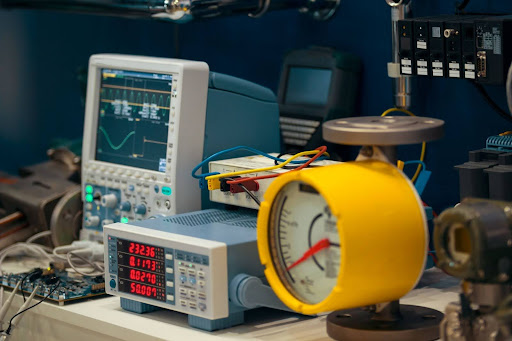
The incorporation of advanced testing solutions, such as insulation resistance testing, electrical safety testing equipment, digital insulation testers, megohmmeter testing, and industrial testing instruments, can greatly enhance the reliability of electrical systems. With experience in providing reliable testing solutions, Udeyraj emerges as a reliable option for the industry in terms of improving safety standards while promoting long-term efficiency.