What Is a Contact Resistance Test and Why Is It Important?
The electrical system requires an efficient and uninterrupted flow of electric current through connections, joints, and conductors. Any form of resistance at such points can cause inefficiency, overheating, or damage to the electrical system. Here, the importance of the contact resistance test becomes obvious. It is a testing procedure that aims to check the resistance at electrical connections and guarantee efficient performance in the system.
Knowledge of the importance of the contact resistance test can go a long way in helping different industries guarantee efficient performance in their electrical systems.
Understanding Contact Resistance in Electrical Systems
Contact resistance is defined as the opposition encountered in transferring current from one interface of two conductive materials. Ideally, two surfaces of conductive materials ought to facilitate the smooth transfer of current. However, some factors like oxidation, dirt, improper connection, and wear and tear contribute to it.
A high level of electrical resistance can lead to:
- Overheating of electrical equipment
- Energy losses in the system
- Equipment damage
- Increased risk of electrical risks
Routine testing helps identify these issues before they escalate into costly problems.
How a Contact Resistance Test Works
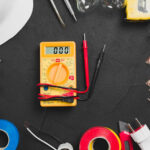
A contact resistance test is usually performed by utilizing special equipment, such as a micro-ohmmeter. This equipment sends a known amount of current through the circuit and then determines the voltage drop in order to compute the resistance.
The basic procedure for performing a contact resistance test is as follows:
- A constant current is applied across both contact points.
- Voltage drop is then measured between both points.
- Using Ohm’s Law, resistance is then calculated.
Advanced testing equipment is able to provide accurate readings, even at low resistance values, which helps detect minor variations in an electrical circuit.
Where This Test Is Commonly Used
Contact resistance testing is an essential practice in various sectors where proper functionality of electrical circuits is critical. This testing is commonly applied in:
- Switchgear and circuit breakers
- Busbars and cable jointing
- Transformer and substation applications
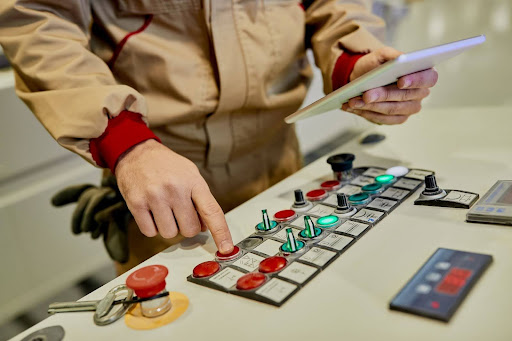
- Industrial control panels
Regular testing is critical in ensuring proper functionality of these systems and minimizing unexpected downtime.
Why Regular Testing Matters
Failure to maintain electrical connections can cause a gradual degradation process that is not easily visible. A contact resistance test during routine maintenance can be useful in the early detection of possible problems.
The main advantages of a contact resistance test are:
- Increased efficiency in the system
- Increased safety levels
- Prevention of possible overheating and fire hazards
- Cost reduction in maintenance and repairs
- Increased lifespan of electrical equipment
In a high-demand situation, a small fault can cause serious problems, and testing is a necessity.
Best Practices for Accurate Results
To achieve accurate results in a contact resistance test, it is recommended that the following best practices be implemented:
- Cleaning the contact surfaces before testing
- Using high-quality testing equipment
- Implementing standardized testing practices
- Referring to standard values or equipment guidelines
- Testing and evaluating at regular intervals
Professional expertise also plays an important role in interpreting results correctly and recommending necessary actions.
Reliable Testing for Long-Term Performance
Electrical efficiency demands a forward-thinking strategy for tackling connection-related problems. A successful contact resistance test ensures all components within a system are working as they should, which reduces the risks involved while increasing reliability.
Apart from regular checks, service providers offering services such as electrical testing services, preventive maintenance for electrical systems, switchgear testing services, and transformer testing services can greatly benefit any business. Based on their experience, they believe that by using reliable diagnostic tools coupled with expert analysis, any business can benefit from continuity and high standards of safety.
For any business looking for reliable testing services, Udeyraj is an option worth considering for all their electrical maintenance practices needs due to their comprehensive expertise and commitment to quality.