High Voltage Testing Is Critical for Electrical Safety Standards
Amongst the most efficient methods for ensuring the safety and performance of electrical parts and systems is high voltage testing. This is a process that tests insulation and components against extreme electrical stress, which ensures the detection of potential faults before they cause serious danger. From power utilities and manufacturing to testing laboratories, a high voltage tester is essential for ensuring compliance with contemporary electrical safety standards.
What Is High Voltage Testing?
High voltage testing is the process of applying voltages greater than the system’s usual operational levels in order to assess the durability and quality of electrical insulation. The purpose is to verify that parts can withstand safely voltage surges, faults, and other transient states without failure.
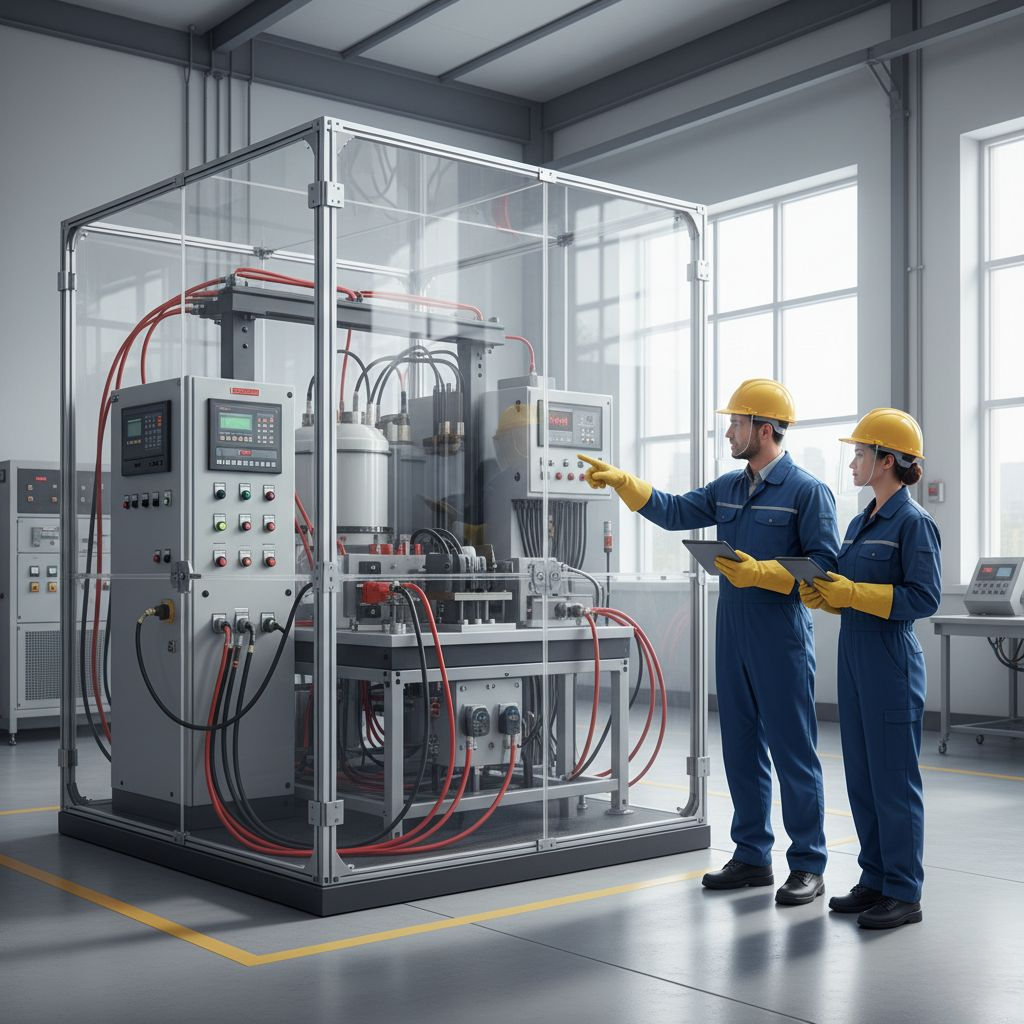
In testing, a high voltage tester puts a controlled voltage on the equipment or insulation system and observes its reaction. If the insulation remains stable under stress, it guarantees that the system is safe to operate. If a breakdown or leakage happens, it means weak insulation or damage that must be addressed before the equipment is used.
Significance of High Voltage Testing in Electrical Safety
Avoids Electrical Accidents and Failures
High-voltage cables and equipment are subjected to permanent stress from environmental factors, load changes, and voltage surges. Even slight insulation degradation can lead to hazardous faults. High voltage testing identifies such weaknesses in advance, avoiding expensive breakdowns, short circuits, and even electrical fire.
Ensures Equipment Reliability
Routine application of high voltage testers guarantees that transformers, circuit breakers, switchgear, and other electrical equipment work effectively throughout their life cycle. Through the verification of insulation integrity, testing reduces the likelihood of unforeseen breakdowns that can result in downtime or equipment wear and tear.
Adherence to International Safety Standards
Electrical industries are required to comply with international standards like IEC, IEEE, and IS, which call for high voltage testing of new and old installations. Compliance not only guarantees safety but also credibility and trust in the equipment as well as the organization utilizing it.
Protects Personnel and Property
Faulty equipment or bad insulation may be a serious danger to employees working with high-voltage equipment. Periodic testing detects weaknesses in insulation before they get out of hand, maintaining a safe working environment and minimizing the chances of electric shock or accidents.
Facilitates Preventive Maintenance
High-voltage testing has a significant impact on preventive maintenance programs. It allows engineers to monitor insulation performance over time and forecast when maintenance or replacement is needed, minimizing unexpected failure and maximizing maintenance costs.
Types of High Voltage Testing
Dielectric Strength Test
This test is used to determine the highest voltage that an insulating material can be subjected to without breaking down. It is usually performed with a high voltage tester to check the insulation strength and quality in cables, transformers, and switchgear.
Insulation Resistance Test
This test identifies the opposition of the insulation to electrical current flow. It is used to detect moisture entry, contamination, or material aging that might undermine safety.
Partial Discharge Test
Partial discharges take place when flaws in the insulation enable tiny electrical discharges within the system. Testing ensures the detection of these small discharges before they become full-scale insulation failures.
Withstand Voltage Test
This test verifies a component or system’s capability to sustain a given voltage for a specified time without failure, confirming its safety margin during operation.
Applications of High Voltage Testing Across Industries
- Power Generation and Transmission: Provides transformer, circuit breaker, and substation reliability.
- Manufacturing: Checks insulation in motors, cables, and electric machinery prior to market availability.
- Renewable Energy: Compares the resilience of solar inverters, wind turbines, and grid connections with high voltage surges.
- Railway and Aerospace: Verifies that important systems will safely function under different electrical stresses.
Best Practices for Safe High Voltage Testing
- Testing operations should only be performed by qualified people.
- Provide proper grounding and protective gear.
- Maintain distance and employ insulated tools.
- Ensure that the equipment under test is de-energized from the power source.
- Employ current modern, calibrated high voltage testers with a guarantee of accuracy and reliability.
Conclusion
High voltage testing is an essential aspect of electrical network maintenance, production, and certification. It not only ensures equipment and personnel safety but also maintains electrical network performance and reliability in industries. A high voltage tester is an effective protection, ensuring that each component follows strict safety standards before actual usage.
With decades of experience in precision electrical testing instrument designing and manufacturing, Udeyraj Electricals Private Limited is a name that is trusted by the industry. Their high voltage testers are designed for precision, reliability, and safety.